

When Your AC Stops Cooling — What's Actually Happening
A refrigerant leak or low gas pressure causes most AC failures. Learn why recharge timing matters and how to spot the warning signs early.
Read Article →A clogged filter reduces airflow and strains your AC compressor. We'll explain the symptoms and replacement timeline.
Written by
Editorial team focused on clear, practical guidance for vehicle maintenance
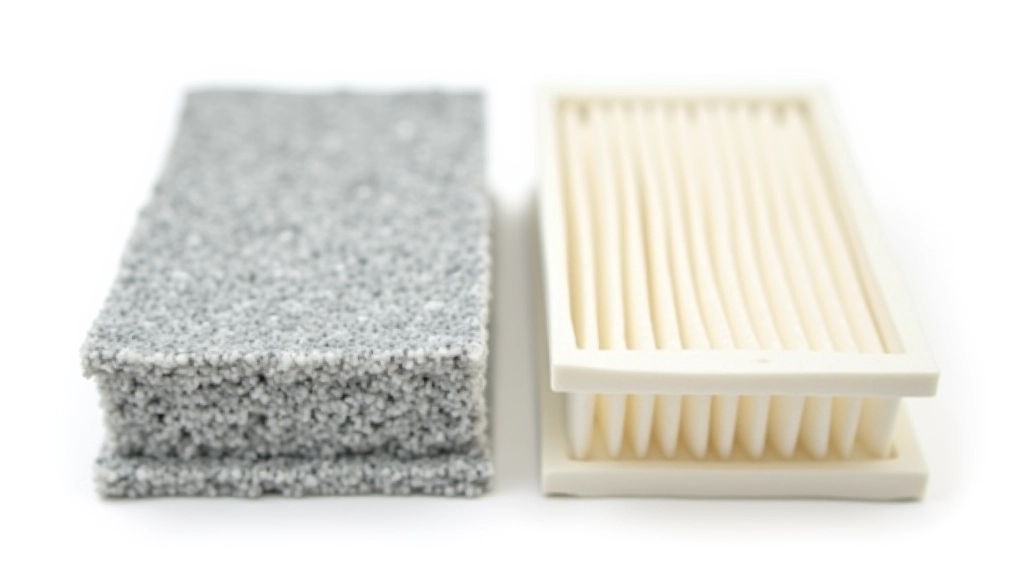
Your cabin air filter does something simple but essential — it cleans the air flowing through your ventilation system before it reaches you. Think of it like the lungs of your car's climate control. When it gets clogged with dust, pollen, and debris, everything downstream suffers.
A dirty cabin filter forces your AC compressor to work harder, pulling more current from your engine. This means higher fuel consumption, weaker cooling, and eventually — compressor damage. Most people don't realize how much this small component affects the whole system.
The signs are pretty obvious if you know what to look for. Most people notice them during summer when they actually use their AC, but the filter gets dirty year-round.
You turn on the AC but air barely comes out. The fan might be running but nothing's moving — that's your clogged filter blocking airflow.
If your car smells like it's been closed up for weeks (even though it hasn't), the filter's probably full of mold and dust particles.
On a hot day, it shouldn't take 10 minutes to feel cold air. If it does, the restriction is slowing your whole system.
A clogged filter makes the fan work harder, creating more noise. You'll hear it straining more than usual.


Here's the thing — replacing your cabin filter isn't complicated. Most vehicles have the filter housed behind the glove compartment or under the dashboard. You don't need special tools.
Check your owner's manual — it'll show exactly where it is. Usually behind the glove box, but some models hide it under the dashboard or in the engine bay.
Most filters slide or clip out easily. Be ready for dust to come out with it — that's normal. Some people use a vacuum to catch the debris.
Check the arrow printed on the filter frame — it shows airflow direction. Slide the new filter in with the arrow pointing the right way. It should fit snugly.
Put the cover or glove box back, turn on your AC, and feel the difference immediately. The airflow will be noticeably stronger within seconds.
Most manufacturers recommend replacement every 12,000 to 15,000 miles, but that's a guideline — not a rule. Your actual schedule depends on where you drive.
Dust, construction debris, and exhaust get sucked in constantly. You'll go through filters faster.
Cleaner air at highway speeds means less debris accumulation. Your filter lasts longer.
Spring and fall can overload your filter. If you're sensitive to allergies, check it more often.
Unpaved roads and agricultural areas mean constant fine dust exposure. Replace more frequently.
Quick tip: Don't wait for symptoms. If you're not sure when you last replaced it, just check it visually. If it looks gray or brown instead of white, it's time for a new one. Takes 10 minutes and costs €15-40 depending on your vehicle.
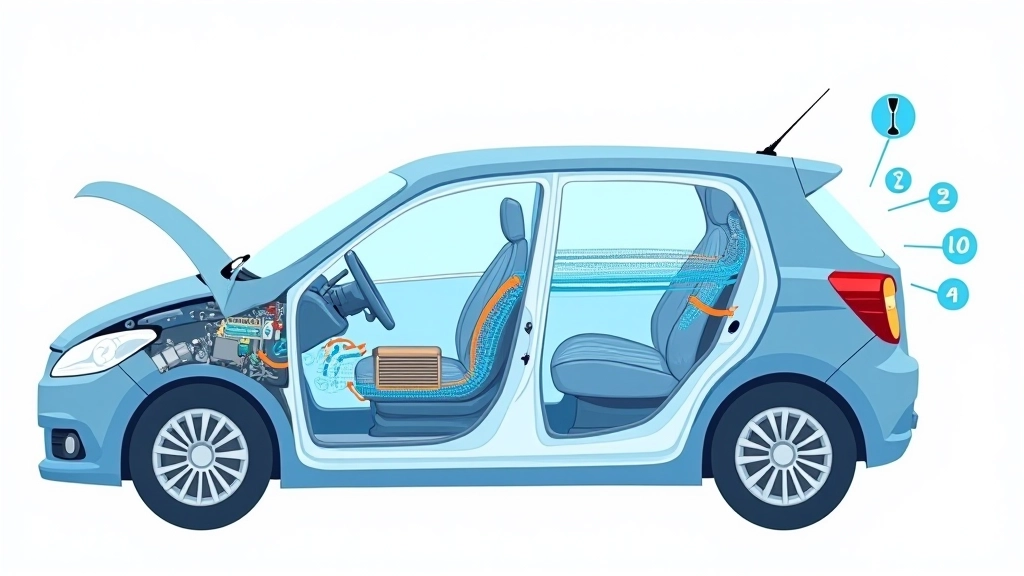
You might think a cabin filter is just about air quality inside your car. But it's connected to your entire climate control system. Here's how it all works together.
When your cabin filter gets clogged, it creates back-pressure in the ventilation ductwork. Your AC blower fan has to work harder to push air through the restriction. This means the fan motor draws more electrical current from your battery and alternator. Meanwhile, that restricted airflow reduces cooling efficiency, so your AC compressor runs longer to reach the temperature you want.
The compressor is the expensive part. It's running harder and longer than it should be, which means it'll wear out faster. We've seen compressors fail at 60,000 miles when they should last 150,000+. A clogged cabin filter wasn't the only cause, but it was definitely part of the problem.
A €25 filter replacement every 12 months costs way less than a €600+ compressor replacement. Preventive maintenance pays for itself every single time.
Your cabin filter isn't glamorous. You won't see it unless you look for it. But it's doing essential work every single time you use your climate control. Ignoring it doesn't save money — it costs you. A dirty filter strains your compressor, reduces efficiency, and can lead to expensive repairs.
Check your filter twice a year. Replace it when it looks dirty. It's literally one of the easiest maintenance tasks you can do yourself, and the impact on your AC system is immediate and noticeable. Your car will cool down faster, use less fuel, and your compressor will last longer.
That's not just maintenance advice — that's keeping your investment working properly.
This article is for educational and informational purposes only. It describes general vehicle maintenance guidance based on common automotive knowledge. Your specific vehicle may have different requirements — always consult your owner's manual or a qualified mechanic for your car's exact specifications. Vehicle maintenance needs vary based on age, condition, driving habits, and climate. We recommend professional inspection if you're uncertain about your AC system's condition.
Explore related topics to keep your vehicle's climate control system running efficiently
A refrigerant leak or low gas pressure causes most AC failures. Learn why recharge timing matters and how to spot the warning signs early.
Read Article →
Spring recharge, summer checks, fall inspection, winter prep. Here's your complete seasonal AC maintenance checklist for year-round reliability.
Read Article →
From pressure checks to refrigerant injection, understand each step of the recharge process and why precision matters for system longevity.
Read Article →