Understanding Vehicle AC Systems in Tartu's Climate
Your vehicle's air conditioning system works hard, especially when summers arrive and temperatures climb. In Tartu, where winter cold can damage components and summer humidity affects performance, proper maintenance isn't just about comfort — it's about protecting your investment. When your AC loses cooling power, it's usually because refrigerant levels have dropped below operating pressure. This happens through slow leaks in hoses, connections, or the compressor seal. A recharge restores the system to factory specifications, but it only addresses the symptom. The real work involves finding where that refrigerant escaped and fixing the leak, otherwise you'll be back for another recharge in a few months.
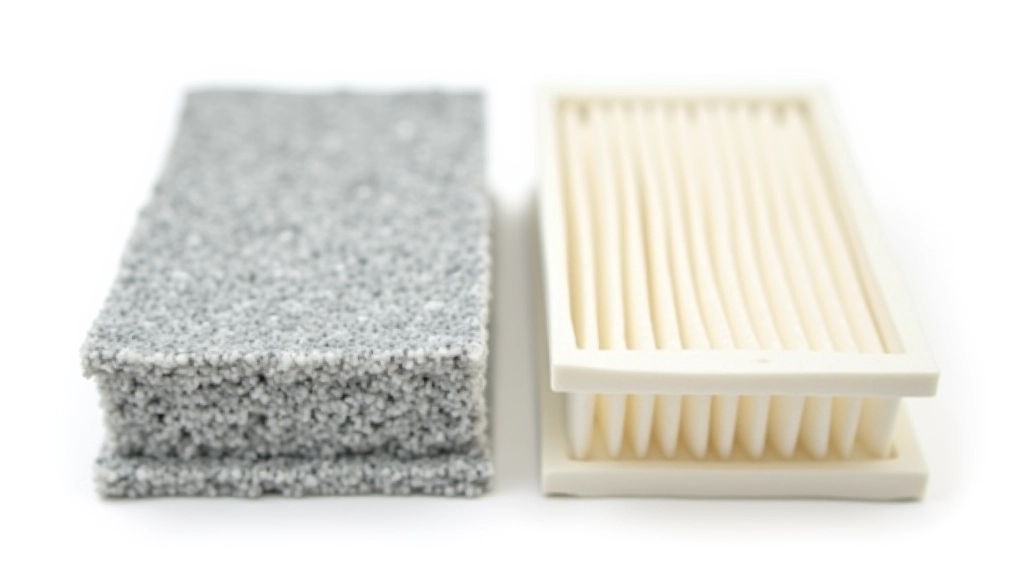
Seasonal service matters because temperature swings stress your AC system differently throughout the year. Spring maintenance prepares the system for heavy summer use. Summer checks catch problems before they leave you sweating in traffic. Fall inspection ensures everything's ready if unusual warm days arrive. Winter storage requires attention too — sitting unused for months can cause seal degradation. Your cabin air filter plays a larger role than many drivers realize. When it clogs, restricted airflow forces the compressor to work harder, raising system pressure and potentially causing damage. A dirty filter also means you're breathing dust, pollen, and exhaust particles instead of clean cabin air. Replacement is straightforward and inexpensive compared to compressor repair. Think of it as preventive care that protects both your comfort and your engine's longevity.